-
Skin condition information banner

What is skin cancer?

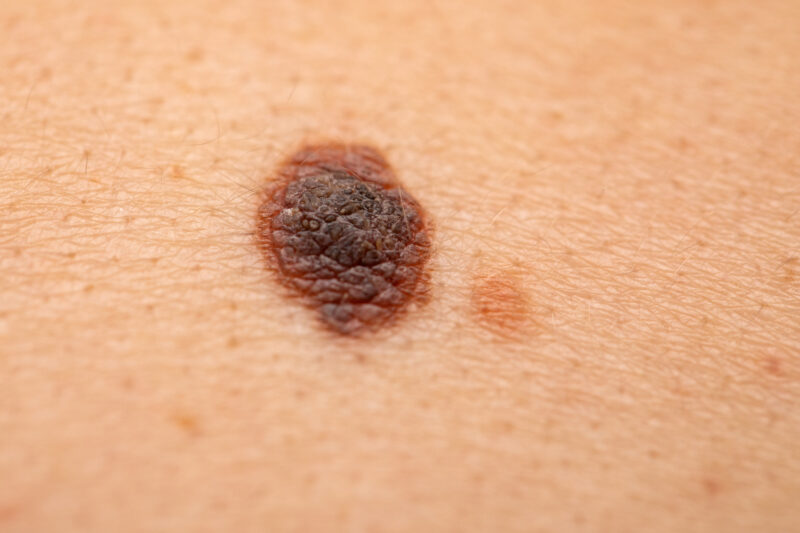
Skin cancer is the uncontrolled growth of abnormal skin cells, commonly attributed to UV exposure from the sun. It is the most commonly diagnosed cancer in Australia, with approximately two in three Australians expected to be diagnosed with some form by age 70.

Australia’s high UV environment, outdoor lifestyle and predominantly fair-skinned population contribute to its position as one of the highest risk countries for skin cancer.

Regular skin checks and sun protection remain the most important tools in reducing risk.

What are the risk factors for developing skin cancer?

The primary risk factor for most forms of skin cancer is exposure to UV radiation.

However, there are several personal and environmental factors that can further increase the risk of developing a skin cancer:

  • UV exposure – Prolonged or intense exposure to UV radiation from the sun or tanning beds is the most significant contributing factor for all skin cancers.
  • Skin type – People with fair skin are at an elevated risk of skin cancer due to lower levels of melanin, an amino acid that provides natural protection from UV rays and gives the skin its colour.
  • History of sunburn – a history of repeated and severe sunburns, particularly in childhood, is strongly associated with an increased risk of developing skin cancer later in life.
  • Family history – a family history of skin cancer, particularly melanoma, is correlated with an increased risk of developing a form of skin cancer.
  • Immunosuppression – people with compromised immune systems, commonly caused by chronic illnesses or medications may present with a higher risk of developing certain forms of skin cancer.

Signs and symptoms

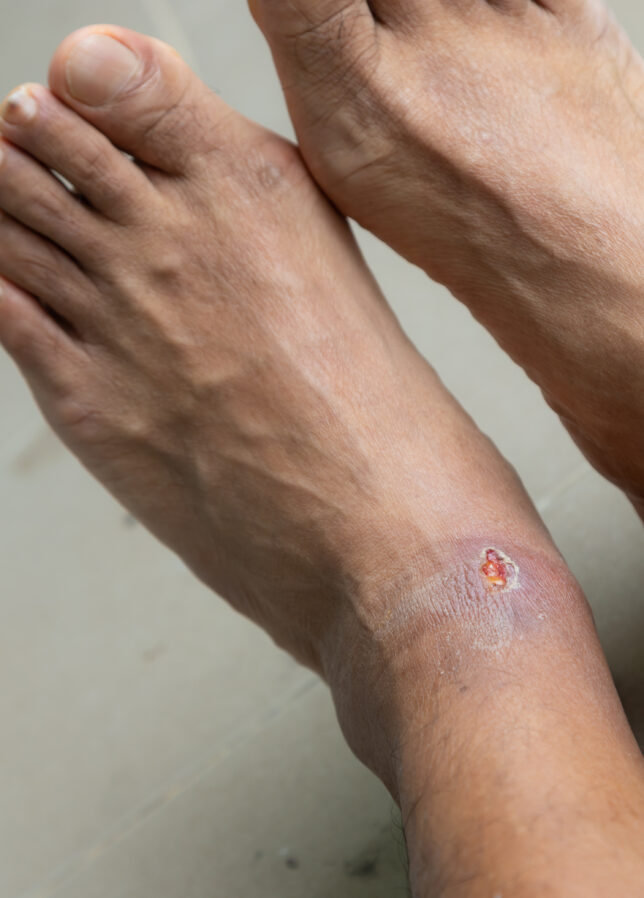
Skin cancers are a diverse family of cancers that vary in symptoms, however, they often share common signs that may warrant a professional assessment.

What are the symptoms of skin cancer?

There are several types of skin cancer. The most common forms include basal cell carcinoma, squamous cell carcinoma and melanoma.
Merkel cell carcinoma is rarer but can be more aggressive.

How can I reduce my risk of developing skin cancer?

Regular skin checks and sun protection remain the most important tools in reducing risk.

Treatment

As skin cancer is varied and dependent on the type, size and location, treatment is not a one-size fits all approach.

At The Skin Hospital, our dermatologists work with each patient to determine an appropriate management approach based on a thorough assessment. Management options may include:

Treatment options

References

  1. Skin cancer | DermNet
  2. About skin cancer | Cancer Council NSW
  3. Skin Cancer Statistics and Issues Prevention Policy: Risk factors/epidemiology | Cancer Council Australia
  4. Current knowledge of immunosuppression as a risk factor for skin cancer development | Crit Rev Oncol Hematol. 2022
  5. Clinical features of skin lesions | DermNet
  6. ABCDEFG of melanoma | DermNet
  7. Overview of skin cancer types and prevalence rates across continents | Cancer Pathogenesis and Therapy
  8. Basal cell carcinoma | DermNet
  9. Cutaneous squamous cell carcinoma | DermNet
  10. Melanoma | DermNet
  11. Melanoma Facts | Melanoma Institute Australia
  12. Merkel cell carcinoma | DermNet

Disclaimer: This page provides general information only and does not constitute medical advice. Always consult an AHPRA-registered healthcare professional for diagnosis or treatment. All procedures have risks and side effects. Outcomes vary between individuals and cannot be guaranteed.

Find a specialist

We have a number of dermatologists specialising in skin cancer. If you are concerned, book your appointment with The Skin Hospital.

We would like to acknowledge the Traditional Custodians of the lands on which The Skin Hospital operates. For thousands of years, these lands have been cared for by Indigenous communities and their ancestors. We recognise and appreciate their ongoing connection to Country, culture, and community. We also pay our respects to the elders, past and present, of these communities, as well as to all Aboriginal and Torres Strait Islander peoples who have contributed to the cultural heritage of this country.
flags
© The Skin Hospital 2026
Site by Sod