-
Skin cancer

What is melanoma?

Melanoma is the rarest yet most dangerous form of skin cancer.

It develops in melanocytes which are cells responsible for producing melanin,
the pigment that gives the skin its colour.

According to the World Health Organisation’s Global Cancer Observatory, people born in Australia are approximately 11.6 times more likely to develop melanoma than the global average.

What are the risk factors for developing melanoma?

While many are relevant, a primary risk factor for developing melanoma is intermittent and intense exposure to UV radiation.

Frequently developing sunburns, using UV tanning beds or exposing the skin to intense UV radiation may increase your risk of developing melanoma.

While the specific mechanism remains unclear, genetics and family predisposition may also increase the risk of developing melanoma.

Signs and symptoms

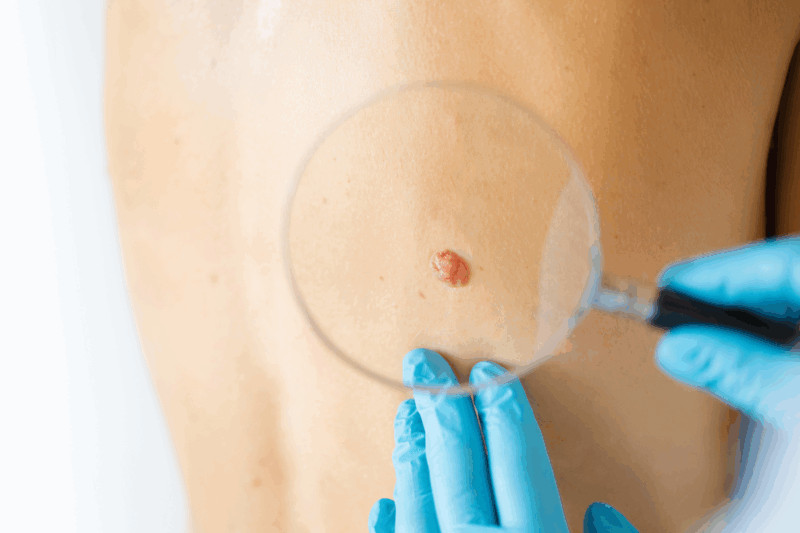
Melanoma can present differently from person to person, making it crucial to familiarise yourself with your skin, and monitor it regularly for changes. The most common framework for identifying potential malignant melanoma is the ABCDE rule.

Types of melanoma

There are several different types of melanoma, each with different features and patterns of growth.

Not sure if a mole needs checking?

Identifying whether a mole or skin lesion requires professional attention is not always straightforward. We recommend a skin assessment if any of the following apply:

  • You have noticed a new mole or spot that looks or feels different from others on your skin
  • An existing mole has changed in size, colour or shape
  • A mole or spot is itching, bleeding or has become tender
  • You have moles and a family history of melanoma

If in doubt, we recommend booking a skin assessment.

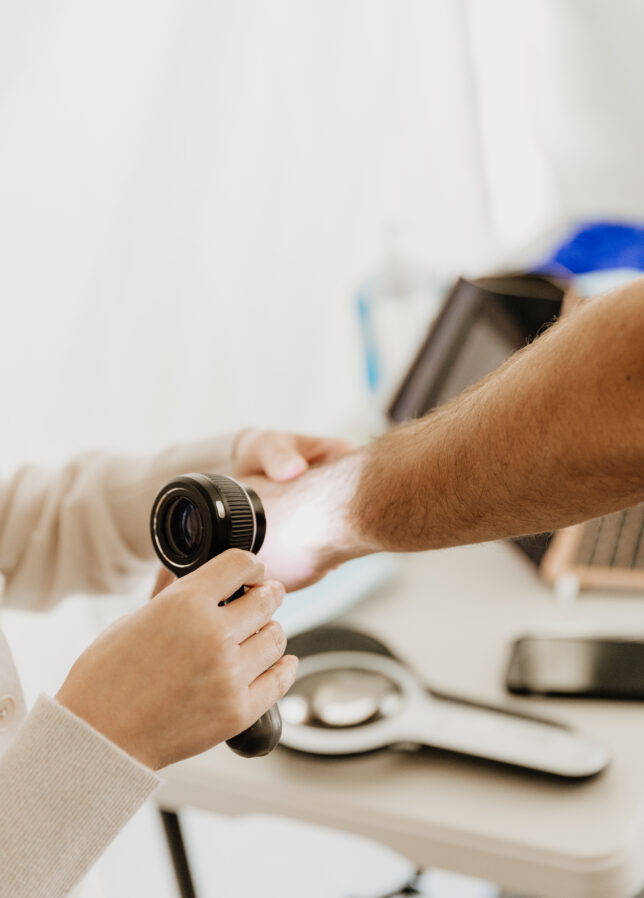
A skin check at The Skin Hospital includes an examination by an experienced dermatologist using dermoscopy,
a specialised imaging tool for detailed analysis of moles and lesions.

Due to the high incidence of melanoma in Australia, routine skin checks are recommended for all Australians, regardless of if you have a concerning lesion. To book an assessment, contact our team or speak with your GP for a referral.

Treatment

Melanoma treatment depends on its type, stage, location and thickness.

At The Skin Hospital, our dermatologists work to create a unique treatment plan for each patient, helping to determine the most appropriate approach for managing your condition. Melanoma is a complex condition with treatment pathways being varied.

Depending on the assessment, management options may include:

References

  1. Overview of skin cancer types and prevalence rates across continents | Cancer Pathogenesis and Therapy
  2. Global cancer statistics 2022: GLOBOCAN estimates of incidence and mortality worldwide for 36 cancers in 185 countries | CA
  3. Epidemiology and Risk Factors of Melanoma | Surgical Clinics of North America
  4. ABCDEFG of melanoma | DermNet
  5. About melanoma skin cancer | Cancer Council NSW
  6. Lentigo maligna and lentigo maligna melanoma | DermNet
  7. Acral lentiginous melanoma | DermNet
  8. Amelanotic melanoma | DermNet
  9. Desmoplastic melanoma | DermNet
  10. Dermoscopy | DermNet
  11. Treatment for early melanoma | Cancer Council NSW

Disclaimer: This page provides general information only and does not constitute medical advice. Always consult an AHPRA-registered healthcare professional for diagnosis or treatment. All procedures have risks and side effects. Outcomes vary between individuals and cannot be guaranteed.

Find a specialist

We have a number of dermatologists specialising in melanoma. If you are concerned, book your appointment with The Skin Hospital.

We would like to acknowledge the Traditional Custodians of the lands on which The Skin Hospital operates. For thousands of years, these lands have been cared for by Indigenous communities and their ancestors. We recognise and appreciate their ongoing connection to Country, culture, and community. We also pay our respects to the elders, past and present, of these communities, as well as to all Aboriginal and Torres Strait Islander peoples who have contributed to the cultural heritage of this country.
flags
© The Skin Hospital 2026
Site by Sod